Enhance Your Lawn Care Routine with Top-Quality Lake Hickory Bait Products
Wiki Article
Red Wigglers: The Unsung Heroes of Organic Waste Recycling
Red wigglers, or Eisenia fetida, function as vital agents in the natural waste recycling procedure, transforming thrown out products right into valuable vermicompost. Their effective malfunction of raw material not just boosts dirt top quality yet additionally adds to lasting waste monitoring techniques. As the globe significantly looks for remedies to battle waste accumulation and improve farming performance, recognizing the duty of these worms comes to be essential. What mechanisms allow them to grow in garden compost settings, and just how can they be properly made use of in both property and industrial settings? Exploring these concerns reveals the broader implications of vermicomposting in our ecological landscape.What Are Red Wigglers?
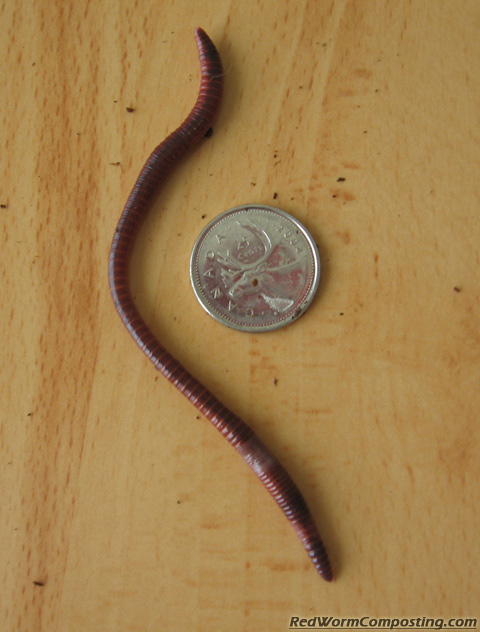
The amazing resilience of red wigglers, medically recognized as Eisenia fetida, emphasizes their critical role in organic waste recycling. These tiny, reddish-brown earthworms are generally discovered in breaking down raw material, such as compost heaps and manure heaps. Lake Hickory Bait. Unlike various other earthworm species, red wigglers grow in nutrient-rich atmospheres and are highly effective at damaging down organic products, making them important for vermicomposting
(Red Wiggler Express)Along with their duty in waste reduction, red wigglers contribute to dirt wellness by improving soil framework and oygenation through their burrowing activities (Lake Hickory Bait). Their existence in composting systems not just enhances decomposition rates yet additionally promotes a sustainable approach to throw away management, illustrating their value in eco-friendly preservation efforts
Benefits of Composting With Worms
Composting with worms, particularly red wigglers, provides many benefits that boost both waste monitoring and dirt health. These worms successfully damage down natural waste, transforming it right into nutrient-rich vermicompost that enriches dirt. This procedure accelerates decomposition, allowing for a faster recycling of kitchen scraps and other organic materials compared to traditional composting methods.Additionally, the vermicompost produced by red wigglers is including valuable microorganisms, which aid improve dirt framework, oygenation, and dampness retention. This improves the general health and wellness of plants, advertising energetic growth and boosted returns in gardens and agricultural settings. Moreover, the usage of worms in composting reduces the manufacturing of greenhouse gases, such as methane, adding to a more lasting waste monitoring system.
Exactly How to Beginning Vermicomposting
Establishing a vermicomposting system is a straightforward procedure that can yield significant benefits for both waste monitoring and dirt enrichment. To begin, choose an ideal container, such as a plastic bin or wooden box, with sufficient air flow openings to make certain proper airflow. The dimensions must preferably be about 2 feet by 3 feet, permitting enough space for the worms to prosper.Following, prepare bed linens product, which can contain shredded newspaper, cardboard, or coconut coir. This bed linen ought to be moistened to develop an ideal environment for the worms. Once the bedding is in area, introduce red wigglers (Eisenia fetida) right into the bin, normally around one pound of worms for every square foot of surface area.
Following the positioning of worms, add organic waste, such as fruit and veggie scraps, coffee grounds, and crushed eggshells. With these actions, you will successfully start a vermicomposting system that contributes to lasting waste administration and enhances your soil.
Maintaining a Healthy Worm Container
(Lake Rhodhiss Bait)Keeping a worm bin thriving calls for routine interest and care to ensure the wellness of the red wigglers and the performance of the composting procedure. Appropriate maintenance begins with keeping an eye on the moisture degrees; the bin needs to be moist yet not soaked. An excellent guideline of thumb is to preserve a consistency comparable to a wrung-out sponge.Oygenation is important also. Gently mixing the bed linens and food scraps every few weeks protects against compaction and guarantees that all worms have accessibility to oxygen. Additionally, it is essential to feed the worms suitably. A balanced diet plan of fruit and veggie scraps, coffee grounds, and crushed eggshells must be supplied in moderation to avoid overfeeding, which can cause smells and pests.
If the container ends up being as well hot or chilly, the worms might come to be worried. By diligently handling these aspects, one can preserve a robust and efficient worm bin.
Influence On Lasting Living
The effective upkeep of a Red Wiggler Express worm container not just benefits the health of red wigglers however also adds significantly to sustainable living techniques. By recycling natural waste, such as kitchen area scraps and yard debris, red wigglers aid draw away substantial quantities of product from landfills. This decrease in waste not only decreases greenhouse gas exhausts however likewise minimizes the ecological concern related to waste monitoring.Additionally, the castings generated by red wigglers work as a nutrient-rich organic plant food, enhancing dirt health and wellness and promoting plant development. This natural choice to chemical fertilizers sustains sustainable farming and gardening techniques, minimizing reliance on artificial inputs that can harm ecosystems. Furthermore, worm composting fosters recognition of waste management, urging individuals and neighborhoods to adopt more lasting practices.
Final Thought
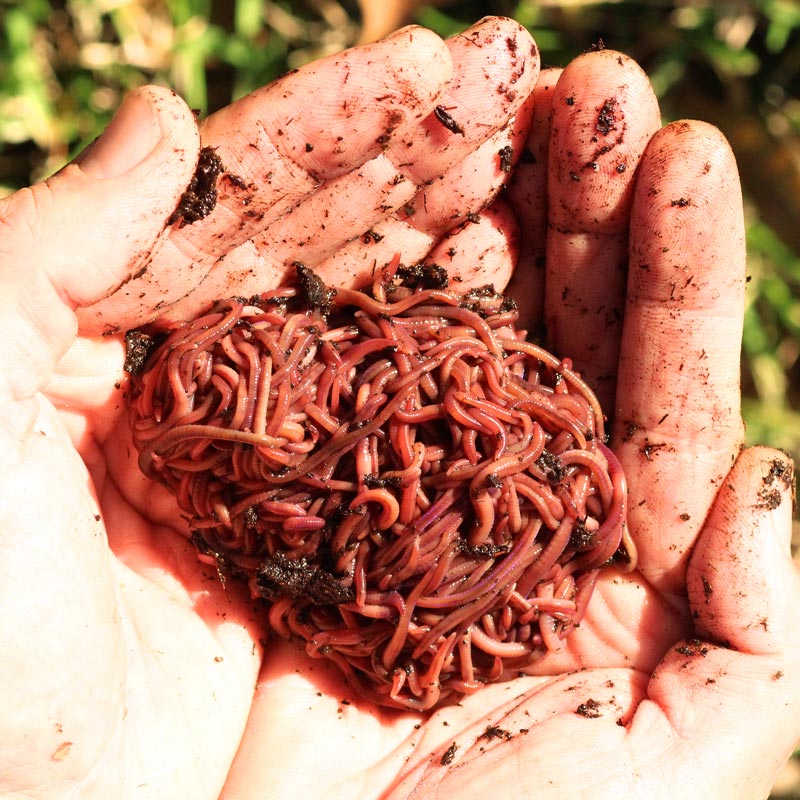
In recap, red wigglers work as essential contributors to natural waste reusing via their efficient disintegration of natural products. Their ability to produce nutrient-rich vermicompost enhances soil health and supports sustainable agricultural practices. By integrating vermicomposting into waste management techniques, individuals and communities can substantially minimize waste while advertising environmental sustainability. The function of Eisenia fetida in fostering healthy communities underscores the significance of these organisms in achieving lasting living and boosting dirt fertility.Report this wiki page